
Back to What We Think
PerspectiveOperating Model

Human-in-the-loop is not a hedge. It is a feature.

Human review is often treated as temporary scaffolding: something to remove once the AI gets good enough. In high-value workflows, that can be the wrong mental model. The human layer can be an intentional control surface that improves safety, quality, and learning.

Kenji Tanaka
Kenji TanakaLead Product & Brand
1 month ago6 min read
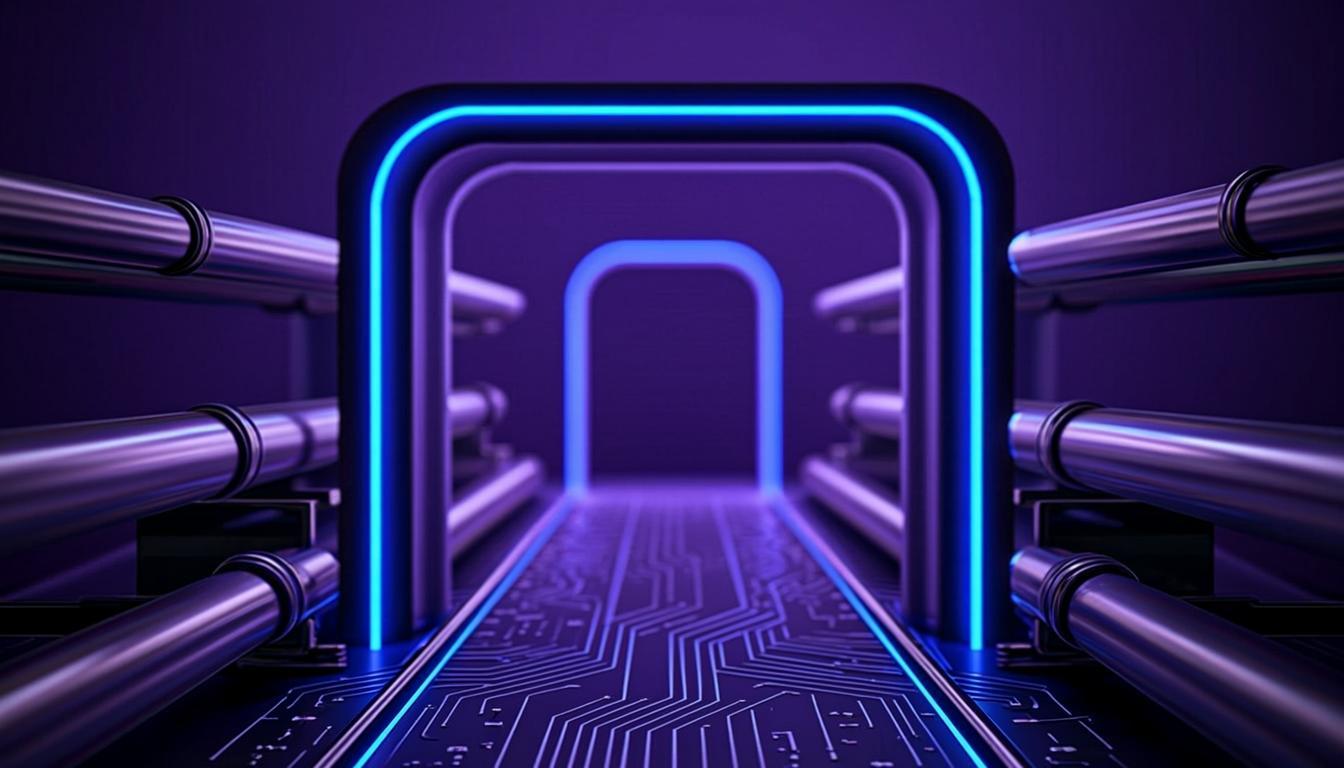
A pipeline of flowing light reaching a single bright checkpoint gate where the flow pauses for review.

Not every decision deserves the same autonomy

Low-risk, reversible actions can often be automated aggressively. High-impact or irreversible actions need stronger verification. The workflow should make this distinction explicit.

Design the review moment

A good review interface shows the proposed action, supporting evidence, confidence or uncertainty, relevant policy, and the exact point where the human needs to decide. Asking someone to re-check an entire workflow defeats the purpose.

Human-in-the-loop should not mean human-in-the-dark.

Humans create training signals

Every correction can become structured feedback. Over time, those signals reveal recurring failure modes, missing knowledge, weak instructions, and opportunities to automate safely.
Key takeaway

The objective is not maximum human involvement; it is the right human involvement at the right decision boundary.

Start a conversation

See how this applies to your organisation.

Tell us what's eating your team's hours. We'll come back with the workflow we'd ship first, the agent team we'd deploy, and the number we'd move.